Stepping into the kitchen, you might dream of effortless morning smoothies, velvety homemade soups, or perfectly crushed ice for your evening cocktails. The secret to achieving these culinary aspirations often lies in one powerful appliance: the countertop blender. But with a sea of options available, from sleek personal blenders to robust, professional-grade machines, how do you pinpoint the Best Countertop Blender for your unique needs? This comprehensive guide will navigate you through the world of blenders, ensuring you make an informed decision that transforms your daily kitchen experience.
What Makes a Countertop Blender Truly Stand Out?
A countertop blender is far more than just a motor and a jar. It’s a versatile workhorse, designed to handle a multitude of tasks that can streamline your meal preparation and elevate your cooking. Understanding its core components and features is the first step to identifying the perfect model.
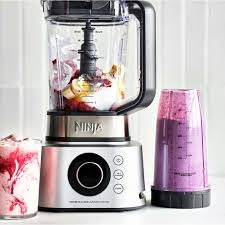
Power and Performance: The Heart of the Machine
The motor is undeniably the soul of any blender. Its power, often measured in watts or horsepower (HP), dictates its ability to pulverize tough ingredients. For basic blending tasks like soft fruits or simple shakes, a motor around 500 watts might suffice. However, if your ambitions include crushing ice, blending fibrous greens like kale, or crafting creamy nut butters, you’ll want to aim for a best countertop blender with at least 1000 watts, or even up to 3.5 HP for high-performance models.
Beyond raw power, blade design plays a critical role. Counterintuitively, the most effective blender blades aren’t necessarily razor-sharp; instead, they’re often designed to be strong and dull. These robust blades work by creating a powerful vortex that continuously pulls ingredients into their path, rather than merely slicing them. This design stands the test of time, resisting dulling and making cleaning safer. The speed at which these blades spin, measured in RPM, also contributes to the smoothness and consistency of your blends, with top models reaching between 7,000 and 30,000 RPM.
Jar Design and Material: Capacity Meets Durability
The blending jar, or carafe, is where all the magic happens. Materials typically range from glass to various plastics. Glass jars are heavier and resistant to odors and stains, making them a classic choice for durability and hygiene. Plastic jars, particularly those made from BPA-free Tritan, are lighter and less prone to shattering, which can be a significant advantage in a busy kitchen.
Capacity is another crucial consideration. Jars commonly range from four to eight cups. If you’re a single-serving smoothie enthusiast, a compact model with a smaller jar or personal blending cups might be ideal. For families, avid meal preppers, or those who frequently entertain, a larger capacity (64 ounces or more) will save you from blending in multiple batches. Some advanced models even feature double-wall thermal control containers, perfect for blending and keeping hot soups warm.
Intuitive Controls and Smart Features
Modern blenders offer a spectrum of control options, moving far beyond simple on/off switches. Look for variable speed settings that give you precise control over your blend’s texture, allowing you to gently mix delicate sauces or rapidly pulverize hard ingredients. A pulse function is indispensable for quick bursts of power, ideal for chopping nuts or achieving chunky textures. Many of the best countertop blender models also come equipped with pre-programmed settings for common tasks like “smoothie,” “ice crush,” or “soup,” taking the guesswork out of blending times and speeds.
Beyond these, technological advancements have brought about smart features such as touchscreens, digital timers, and even app connectivity. Some blenders now incorporate sensors that detect the size of the container or the consistency of the ingredients, automatically adjusting settings for optimal results and preventing overheating. These innovations simplify the blending process and offer consistent, high-quality outcomes.
Exploring Popular Types of Countertop Blenders
The market offers a diverse range of countertop blenders, each tailored to different needs and budgets.
High-Performance Blenders: The Workhorses of the Kitchen
When you hear “high-performance blender,” brands like Vitamix and Blendtec often come to mind. These are the gold standards for serious chefs and health enthusiasts, renowned for their exceptional power, unparalleled durability, and ability to handle virtually any ingredient. They effortlessly create ultra-smooth purees, hot soups from friction, creamy nut butters, and perfectly crushed ice. While they represent a significant investment, their longevity, often backed by generous 7- to 10-year warranties, makes them a worthwhile splurge for heavy daily use.
Mid-Range & Everyday Blenders: Balanced Versatility
For many households, brands like Ninja and Breville strike an excellent balance between performance, features, and price. These blenders offer robust motors and versatile functions capable of handling most daily blending tasks, from morning smoothies to sauces and dips. They often include multiple attachments, such as personal blending cups or food processor bowls, increasing their utility without requiring extra countertop space. Many users find these models to be highly reliable and offer great value for money.
Budget-Friendly Options: Getting Started Without Breaking the Bank
If you’re new to blending or have simpler needs, there are fantastic budget-friendly options that deliver solid performance. Brands like Nutribullet, Oster, and Hamilton Beach offer blenders ideal for quick, single-serve smoothies or basic blending tasks. While they might not match the raw power or advanced features of high-end models, they are perfect for getting started without a significant financial commitment. Look for models with at least 500 watts and a pulse function to ensure they can handle common ingredients effectively.
Beyond the Basics: Advanced Technologies and Modern Trends
The world of blenders is constantly evolving, with new technologies enhancing both functionality and user experience.
Noise Reduction: Blending Without the Racket
Traditional blenders can be notoriously loud, often sounding like a jet engine taking off in your kitchen. However, innovation has led to blenders with advanced noise reduction technologies. Features like sound enclosures, thick insulation, and specially designed cooling systems significantly muffle operating noise, allowing for quieter blending sessions. Models like the Blendtec Professional 800 and Breville Super Q are celebrated for their ability to maintain powerful performance while operating at significantly lower decibel levels, making early morning smoothies a peaceful affair.
Vacuum Blending: Fresher, Smoother Results
A newer trend, vacuum blending technology, involves removing air from the blending jar before processing. This innovative feature minimizes oxidation, resulting in brighter colors, fresher flavors, and a smoother texture with less foam and fewer bubbles. For those who prioritize the highest quality and longest-lasting results for their green smoothies and juices, a best countertop blender with vacuum technology is a game-changer.
Multi-Functionality and Accessories
Many contemporary blenders are designed to be multi-talented appliances. Blender-food processor combos offer the convenience of two machines in one, saving valuable counter and storage space. Additional accessories like personal blending cups, tamper tools (essential for thick mixtures like nut butters), and specialized attachments for dough kneading or chopping further expand a blender’s utility, making it a true kitchen multi-tool.
Your Guide to Choosing the Best Countertop Blender
Selecting the best countertop blender ultimately comes down to aligning its capabilities with your personal culinary lifestyle.
Define Your Blending Needs and Goals
Start by listing your primary blending intentions. Are you aiming for:
- Daily smoothies and protein shakes? Look for models good at handling frozen fruits and ice.
- Creamy soups and sauces? Consider blenders with high power, heat-resistant jars, or even built-in heating functions.
- Homemade nut butters or flours? High-performance blenders with robust motors and effective blade designs are a must.
- Ice crushing for cocktails and frozen desserts? Prioritize strong blades and a dedicated ice crush or pulse function.
Consider Size, Space, and Lifestyle
Assess your kitchen layout and counter space. Full-sized blenders can be tall, so measure your cabinet clearance if you plan to keep it on the counter. If space is limited or you’re often on the go, a more compact model or one with personal blending cups might be a better fit. Portability can also be a factor for those who travel or want a blender for the office.
Balance Features with Your Budget
Blenders span a wide price range. For occasional, light use, expect to spend $50-$100. If you’re a daily blender user or need more power, a reliable model typically falls between $150-$400. High-end, professional-grade blenders can range from $400 to $800 or more, but their performance and durability often justify the investment over time. Always consider sales and refurbished options to get the most value.
Don’t Overlook Durability and Warranty
A blender is an investment, so consider its build quality and the manufacturer’s warranty. Durable materials like stainless steel components and sturdy bases contribute to longevity. Brands like Vitamix are known for their exceptional durability and long warranties, offering peace of mind.
“When searching for the best countertop blender, remember that longevity isn’t just about the motor; it’s also about the jar, blades, and overall construction. A robust build and a solid warranty are indicators that a blender is designed to be a lasting kitchen companion, not just a fleeting gadget,” advises Culinary Engineer Dr. Anya Sharma.
Tips for Optimal Use and Maintenance
Even the best countertop blender performs best with proper care and technique.
- Load Smart: Always add liquids first, then soft ingredients, leafy greens, and finally frozen items or ice on top. This helps the blades catch and create a vortex efficiently.
- Use the Pulse Function: For tough ingredients or to achieve specific textures (like chunky salsa), the pulse button is your best friend.
- Don’t Overfill: Respect the maximum fill line on your blending jar to prevent spills and ensure efficient blending.
- Leverage the Tamper: For thick mixtures that struggle to blend, a tamper (often included with high-performance blenders) helps push ingredients towards the blades without stopping the machine.
- Easy Cleaning: Many modern blenders offer a self-cleaning function – simply add warm water and a drop of dish soap, then blend for 30 seconds. Look for models with dishwasher-safe parts for ultimate convenience.
Recipes and Real-World Applications
A versatile countertop blender unlocks a world of culinary possibilities. Here are just a few ideas:
- Smoothies: From vibrant green detox smoothies with spinach and spirulina to creamy fruit-filled delights with berries and banana, your blender makes them effortless.
- Creamy Soups: Blend roasted vegetables like butternut squash or tomatoes with broth and spices to create silky-smooth, restaurant-quality soups. Some high-speed blenders can even heat soup through friction.
- Nut Milks and Butters: Craft fresh almond milk, oat milk, or homemade peanut butter and almond butter with ease, free from unwanted additives.
- Frozen Desserts and Cocktails: Whip up healthy fruit sorbets, “nice cream” from frozen bananas, or classic margaritas and daiquiris with perfectly crushed ice.
- Sauces and Dips: From fresh pesto to hummus, salad dressings, and savory pasta sauces, your blender can create smooth, consistent textures in minutes.
Frequently Asked Questions (FAQ) about Countertop Blenders
Q: How much wattage is ideal for a good blender?
A: For general use like smoothies and sauces, 500-1000 watts is usually sufficient. For tougher tasks such as crushing ice, blending fibrous greens, or making nut butter, look for 1000 watts or more, with some high-performance models reaching over 1500 watts or 2-3 HP.
Q: Can a single blender handle both smoothies and hot soups?
A: Yes, many high-performance countertop blenders are designed to handle both. For hot soups, ensure the blender jar is heat-resistant (often glass or specific BPA-free plastics) and has a vented lid to release steam. Some blenders can even heat soups through the friction of their powerful blades.
Q: What’s the difference between dull and sharp blender blades?
A: Contrary to intuition, the best countertop blender models often feature strong, dull blades rather than sharp ones. These blades create a powerful vortex to pulverize ingredients, preventing dulling over time and offering a safer cleaning experience. Sharp blades, found in some lower-end models, can dull quickly.
Q: How can I make my blender quieter?
A: Look for blenders specifically designed with noise reduction features, such as sound enclosures, insulated motors, or advanced cooling systems. Brands like Blendtec and Breville offer models known for their quieter operation. You can also try placing a towel under your blender to absorb some vibrations.
Q: What’s the best way to clean my countertop blender?
A: Many blenders have a self-cleaning function: fill the jar halfway with warm water, add a drop of dish soap, and blend for 30-60 seconds. Rinse thoroughly. For deeper cleaning, always check if the jar, lid, and blades are dishwasher-safe.
Conclusion
Choosing the best countertop blender is an investment in your culinary journey, offering unmatched convenience and expanding your kitchen’s capabilities. By considering factors like motor power, jar design, intelligent features, and your specific blending goals, you can confidently select a model that will be a cherished companion for years to come. Whether you’re a health enthusiast, a gourmet chef, or simply looking to simplify your daily routine, the right countertop blender is ready to transform your kitchen into a hub of effortless creativity. Make a smart choice, and unlock a world of delicious possibilities!