In the modern kitchen, every inch of countertop space is a precious commodity. For many home cooks, the sight of a bulky appliance can disrupt the sleek aesthetic and efficient workflow of their culinary haven. This is where the allure of the Under Counter Blender comes in, offering a smart solution for optimizing space without sacrificing power or versatility. Far from being a niche product, the “under counter blender” concept is evolving, encompassing both innovative low-profile designs and integrated systems that promise a clutter-free, high-performance blending experience.
What Exactly is an Under Counter Blender?
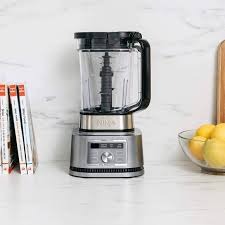
The term “under counter blender” might conjure different images for different people, but at its heart, it refers to blenders designed to either fit seamlessly beneath overhead kitchen cabinets or be entirely integrated into the countertop itself. It’s about more than just a small appliance; it’s about intelligent kitchen design and maximizing functionality in often-limited spaces. While traditional blenders often demand significant vertical clearance, under counter models prioritize a compact footprint, allowing them to remain on display and readily accessible without dominating your valuable workspace.
The Undeniable Benefits of Under Counter Blenders
Embracing an under counter blender solution brings a host of advantages that extend beyond mere aesthetics.
First and foremost is space optimization. For those with smaller kitchens or a desire for minimalist design, a blender that slides neatly under cabinets frees up precious real estate. This means more room for food prep, other appliances, or simply a cleaner, more open look. You no longer have to perform a countertop shuffle just to make your morning smoothie.
Secondly, these blenders contribute significantly to clutter reduction and sleek kitchen aesthetics. An under counter blender allows you to keep your primary blending tool within easy reach, yet subtly tucked away, preserving the visual harmony of your kitchen. Built-in options take this a step further, making the blender almost invisible until needed.
Finally, the convenience for daily use is a major draw. No more hauling a heavy blender out of a deep cabinet or pantry. With a low-profile model, it’s always ready to go, encouraging healthier habits and making quick meal prep a breeze. The goal is effortless integration into your daily routine.
Unpacking the Different Types of Under Counter Blender Solutions
When we talk about under counter blenders, we’re broadly looking at three primary categories, each with its own approach to space-saving.
Low-Profile Countertop Blenders
These are the most common interpretation of “under counter blenders.” They are essentially standard countertop blenders equipped with a shorter, wider jar design that allows the entire unit to fit comfortably beneath typical kitchen cabinets, which are usually around 18 inches high. This design ensures they can stay on your counter permanently without being an obstruction.
Many leading brands offer excellent low-profile countertop blender options. For instance, the Vitamix E310 Explorian, Vitamix Propel Series 750, and Vitamix Ascent X3 are often praised for their powerful performance paired with a manageable height, allowing them to fit under most cabinets. The Breville Fresh & Furious Blender is another popular choice, lauded for its slim base and ability to tuck neatly onto the counter. Personal blenders like the NutriBullet Pro 900 Series and certain Ninja models (like the Ninja Twisti High-Speed Blender Duo or Nutri-Blender Plus) are also fantastic compact options, ideal for single servings and limited counter space, easily sliding into tight spots. The KitchenAid K400 blender is another strong contender, offering a blend of power and design that often accommodates cabinet clearance.
The key features making these models low-profile are their intelligently designed jars, which prioritize width over height, and sometimes a slightly more compact motor base.
Built-in / In-Counter Blenders
For the ultimate seamless kitchen, built-in or in-counter blenders offer a truly integrated solution. With these systems, the powerful motor base is permanently installed into your countertop or a drawer directly beneath, leaving only a flush-mounted control panel and the blending jar visible when in use. When you’re done, the jar is removed, and a cover can be placed over the motor opening, making your counter appear completely clear.
The advantages here are obvious: a truly uncluttered counter, a sophisticated, custom look, and maximum available workspace. However, this option requires professional installation and is a more permanent fixture. Systems like the “Kitchen Prep Multi-Chef” are examples, offering a central motor that can power various attachments, including a blender. This type of solution is an investment in both money and kitchen planning, but it delivers unparalleled minimalist aesthetics and functionality.
Appliance Lift Systems
Another ingenious method to achieve an “under counter” blender experience is through appliance lift systems. These clever mechanisms allow you to store your blender (or other heavy appliances) inside a base cabinet. When you need it, the spring-loaded or hydraulic system smoothly lifts the blender up and out of the cabinet, locking it into place at countertop level. When finished, it gently glides back down and out of sight.
Companies like Rev-A-Shelf offer such systems, typically featuring a sturdy shelf that you mount your blender on. The benefits are clear: your blender is completely hidden, protecting it from dust and keeping your countertops absolutely clear. It’s also easy to access without heavy lifting. The main considerations for this type of system are ensuring you have adequate cabinet space for the mechanism and the blender itself, and the initial installation.
Essential Features to Look for in an Under Counter Blender
Regardless of the type, choosing the right under counter blender involves evaluating several key features to ensure it meets your specific needs.
Dimensions are crucial! Before anything else, measure the height from your countertop to the underside of your upper cabinets. Standard clearance is often around 18 inches, but it can vary. Look for blenders with overall heights that comfortably fit this space, ideally leaving an inch or two for easy placement and removal. Also, consider the footprint on your counter; a slim base is always a plus.
Motor power and performance are paramount for effective blending. Measured in watts or horsepower, a more powerful motor (generally 1000 watts and above for countertop models) can effortlessly crush ice, break down tough fibrous greens, and create silky-smooth purees or nut butters. Don’t compromise on power if you plan heavy-duty blending.
Jar capacity and material often involve a trade-off with height. Low-profile jars might be wider to compensate for a shorter stature, but they still need to hold enough for your needs. Capacities typically range from 32 ounces for personal blenders to 64 ounces for larger low-profile models. Glass jars are durable and stain-resistant but heavier; BPA-free plastic is lighter and more shatter-resistant.
The blade design plays a significant role in performance. High-quality stainless steel blades, often multi-tiered or uniquely shaped, are essential for efficient and consistent blending.
Speed settings and presets offer versatility. Variable speeds give you precise control, while dedicated programs for smoothies, ice crushing, or soups simplify common tasks with a single touch.
Consider the noise level, especially if you’re an early riser or live in an apartment. Powerful blenders can be loud, but some high-end models incorporate sound-dampening technology.
Ease of cleaning is often overlooked. Look for blenders with dishwasher-safe parts or self-cleaning functions (where you blend soap and water). Removable blades can also simplify the process.
Finally, durability and warranty speak to the long-term value of your investment. Reputable brands often offer robust warranties (7-10 years for premium models) and are built to last, handling tough ingredients day after day.
Choosing the Right Under Counter Blender for Your Kitchen
Making the smart choice for your under counter blender involves a bit of self-assessment. First, assess your space. Grab a measuring tape and note your cabinet height and counter depth. This will immediately narrow down your options, especially for low-profile countertop blenders.
Next, consider your blending needs. Are you primarily making single-serving smoothies, or do you need to whip up large batches of soup, nut butter, or frozen desserts for a family? This will guide your decision on motor power and jar capacity. A compact personal blender might suffice for quick morning drinks, while a more robust low-profile full-size blender is better for diverse culinary tasks.
Budget considerations are also important. Prices vary widely, from affordable personal blenders to high-end, feature-rich systems. Determine what you’re comfortable spending, keeping in mind that a durable, high-performance blender can be a long-term kitchen ally.
Always read reviews from trusted sources and other users. Real-world feedback can offer invaluable insights into a blender’s performance, durability, and how well it truly fits into a daily kitchen routine.
Maximizing Your Under Counter Blender Experience
Once you’ve chosen your perfect under counter blender, a few tips can help you get the most out of it. For optimal blending, always load ingredients correctly: liquids first, then soft ingredients, followed by leafy greens, fruits, and finally ice or frozen items. This allows the blades to create a vortex, drawing ingredients down efficiently. Don’t overfill the jar, and ensure there’s enough liquid for smooth operation.
For maintenance and care, follow the manufacturer’s cleaning instructions diligently. Regular cleaning prevents residue buildup and keeps your blender hygienic and functioning at its best. If your model has a self-cleaning feature, use it after each blend.
Your under counter blender is a versatile tool, capable of far more than just smoothies. Explore creative recipes and applications: from savory sauces, pestos, and dressings to homemade nut milks, baby food, and even hot soups (some blenders can heat ingredients through friction!). Its accessibility will encourage you to experiment and expand your culinary repertoire.
Expert Insight: Chef Antoine Dubois’s Take on Under Counter Blenders
“In my experience, the true mark of a well-designed kitchen is how effortlessly it facilitates creativity,” says Chef Antoine Dubois, renowned culinary consultant and advocate for efficient kitchen design. “Under counter blenders, particularly the powerful low-profile models, are game-changers. They allow you to maintain an uncluttered workspace, which is crucial for focus and flow, without compromising on professional-grade performance. It’s about smart living, making the best use of every square inch.”
Frequently Asked Questions (FAQ)
Q1: What is the average height of an under counter blender?
A1: While standard kitchen cabinet clearance is typically around 18 inches, most low-profile countertop blenders are designed to be between 14 to 17.5 inches tall, ensuring they comfortably fit beneath. Personal blenders can be even shorter.
Q2: Can I blend hot liquids in a low-profile blender?
A2: Many high-quality countertop blenders, including some low-profile models, are designed to handle hot liquids. Always check the manufacturer’s instructions. If the jar is not vented, be cautious and blend in smaller batches to allow steam to escape safely.
Q3: Are under counter blenders less powerful than full-sized blenders?
A3: Not necessarily. “Under counter” primarily refers to physical dimensions. Many low-profile blenders from top brands pack motors with 1000+ watts, offering comparable power to their taller counterparts for crushing ice and tough ingredients.
Q4: How do I clean a built-in blender?
A4: For built-in blenders, the removable jar and blades are typically cleaned like any other blender component (often dishwasher-safe or self-cleaning). The flush-mounted control panel and motor opening can be wiped clean with a damp cloth. Always ensure the motor opening is dry before replacing any covers.
Q5: What are the best brands for space-saving blenders?
A5: Brands highly rated for their low-profile or compact blenders that fit well under cabinets include Vitamix (Explorian, Ascent, Propel series), Breville (Fresh & Furious), NutriBullet (Pro 900, Ultra), Ninja (Twisti Duo, Nutri-Blender Plus), and KitchenAid (K400).
Conclusion: Elevate Your Kitchen with the Perfect Under Counter Blender
Choosing an under counter blender is more than just buying another kitchen appliance; it’s a strategic decision to enhance the functionality, aesthetics, and efficiency of your culinary space. Whether you opt for a powerful low-profile countertop model that seamlessly tucks away, an innovative built-in system for a truly integrated look, or a clever appliance lift for ultimate discretion, the goal remains the same: to provide high-performance blending without sacrificing precious counter real estate. By focusing on critical features like dimensions, motor power, and ease of use, you can confidently select the perfect under counter blender that not only fits your kitchen but also elevates your daily cooking and healthy living.