In today’s fast-paced world, a reliable kitchen companion can make all the difference in maintaining a healthy and convenient lifestyle. Enter the Worktop Blender, an indispensable appliance that has evolved far beyond simply whipping up a quick smoothie. From pulverizing ice to creating gourmet sauces, this versatile machine is a true kitchen workhorse, ready to transform your culinary routine. If you’re looking to elevate your cooking, streamline meal prep, or simply enjoy fresher ingredients, understanding the full potential of a modern worktop blender is your first step towards a smarter kitchen.
What Exactly is a Worktop Blender?
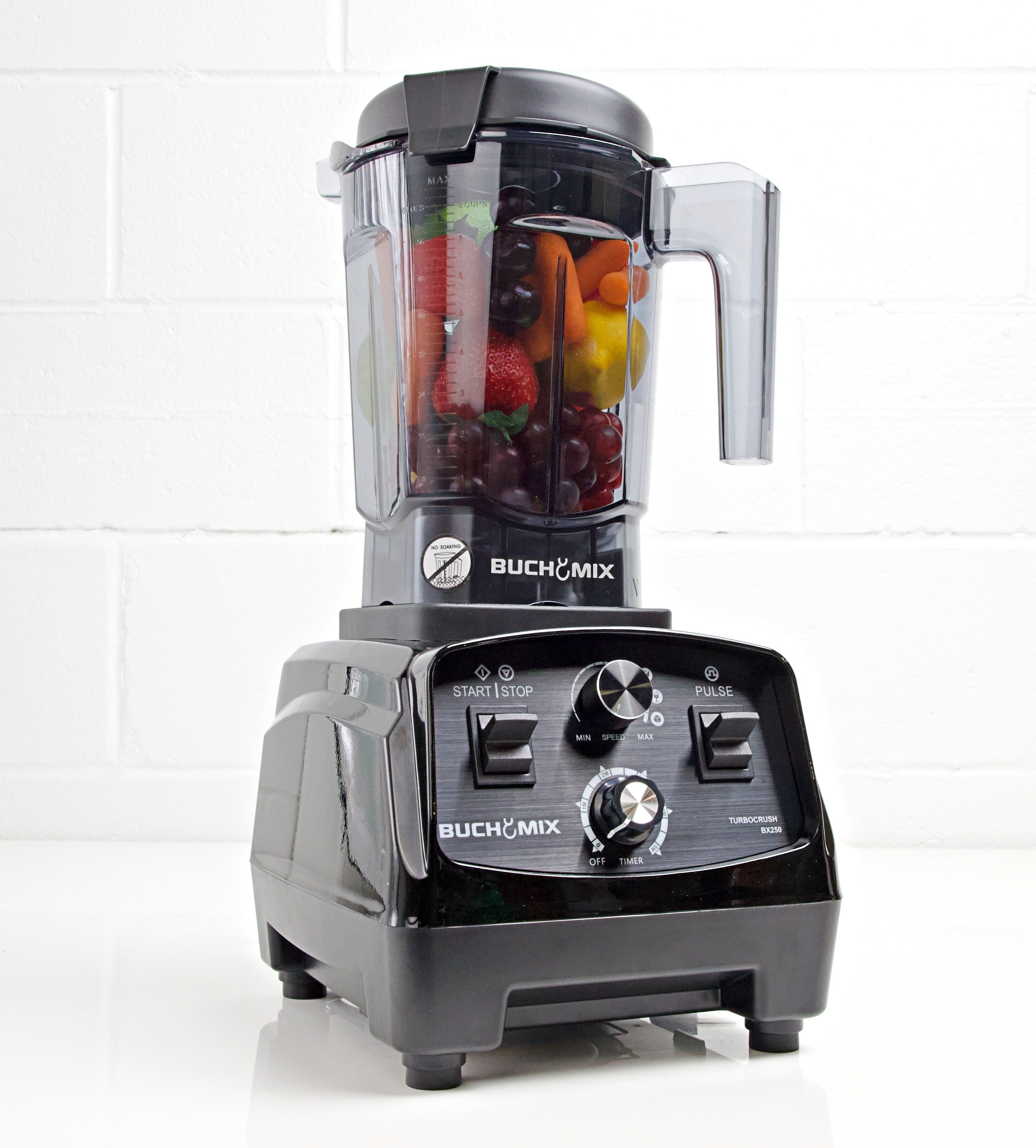
At its core, a worktop blender (often interchangeably called a countertop blender) is an electric kitchen appliance designed to blend food and liquids. It typically consists of a motor base, a blending jar with blades at the bottom, and a lid. Unlike immersion blenders that you hold, a worktop blender sits securely on your kitchen counter, providing a stable platform for powerful blending tasks. Modern versions boast sophisticated features that allow them to handle an incredible array of ingredients, from delicate herbs to rock-solid frozen fruits and even hot soups.
More Than Just Smoothies: Versatility Unveiled
While famous for its role in crafting silky-smooth breakfast drinks, a worktop blender offers a much broader spectrum of applications. Think beyond the morning rush: puréeing baby food, grinding nuts into flour or butter, emulsifying dressings, crushing ice for cocktails, making homemade nut milks, or even preparing hot soups through friction heating. The right worktop blender can genuinely replace several single-use appliances, making it a space-saving and highly efficient addition to any kitchen.
Types of Worktop Blenders: Finding Your Perfect Match
The market for worktop blenders is rich and varied, offering options tailored to every need and budget. Understanding the different categories can help you narrow down your choice.
Personal Blenders: Quick & Convenient
These compact blenders are designed for single servings and quick tasks. They typically come with smaller jars (often travel cups) that you can blend directly in and take on the go. While less powerful than full-size models, they are excellent for smoothies, protein shakes, and small batches of sauces. They shine in their convenience and minimal footprint.
Full-Size Blenders: Power & Capacity
This is the most common type of worktop blender, featuring a larger motor base and a substantial jar, usually ranging from 48 to 64 ounces. They offer a good balance of power, capacity, and features, making them suitable for most household blending needs, from family-sized smoothies to soups and batters.
High-Performance Blenders: The Professional’s Choice
For those who demand the absolute best, high-performance worktop blenders are in a league of their own. Characterized by extremely powerful motors (1000 watts or more), advanced blade designs, and durable construction, these machines can pulverize almost anything. They excel at tough tasks like making nut butters, milling grains, and achieving incredibly smooth textures, often with pre-programmed settings for specific recipes. They are an investment but offer unmatched durability and versatility.
Key Features and Technologies to Look For
Choosing the best worktop blender involves understanding the key features that contribute to its performance and user experience.
Motor Power: The Heart of Your Blender
The motor’s wattage (or horsepower) is a crucial indicator of a blender’s strength.
- 300-600 watts: Typically found in personal blenders, suitable for soft fruits and liquids.
- 600-1000 watts: Common for full-size blenders, capable of handling ice and frozen fruits.
- 1000+ watts (often 1200-1500+): High-performance models, designed for heavy-duty tasks like grinding grains, making nut butters, and achieving professional-grade smoothness.
A more powerful motor not only processes ingredients faster but also results in a smoother consistency and prevents motor burnout from strenuous tasks.
Blade Systems: Precision and Durability
While motor power is essential, the blade design is equally critical. Most worktop blenders feature stainless steel blades. Look for designs that create a vortex, pulling ingredients down into the blades for efficient blending. Some high-end models have duller, thicker blades designed to pulverize rather than cut, which is highly effective for tough ingredients. Blade construction should be robust to withstand frequent use without dulling or breaking.
Jar Material and Capacity: What Fits Your Lifestyle?
Blender jars come in various materials and sizes.
- Glass: Heavy, durable, scratch-resistant, non-porous (won’t absorb odors or colors), but prone to breaking if dropped.
- Tritan Plastic (BPA-free): Lightweight, shatter-resistant, often dishwasher-safe. A popular choice for its durability and safety.
- Stainless Steel: Durable, professional aesthetic, but you can’t see the blending process.
Capacity typically ranges from small personal cups (16-24 oz) to large family-sized jars (64-80 oz). Consider how much you’ll typically blend in one go.
Controls and Pre-Set Programs: Smart Blending Made Easy
Basic blenders offer simple on/off and pulse functions. More advanced models feature variable speed control, allowing you to fine-tune the texture, and pre-set programs (e.g., smoothie, ice crush, soup, clean). These programs automatically adjust speed and duration for optimal results, taking the guesswork out of blending. A pulse function is indispensable for chopping and controlled processing.
Noise Level: A Quieter Kitchen Experience
Powerful motors often mean more noise. If a quiet kitchen is important to you, research models known for quieter operation or those with noise-dampening technology. While no blender is truly silent, some are significantly less obtrusive than others.
Choosing the Right Worktop Blender for Your Needs
Selecting the ideal worktop blender doesn’t have to be overwhelming. Consider these factors to make an informed decision:
Consider Your Blending Habits
- Daily Smoothies? A personal blender or a full-size model with a “smoothie” pre-set will be perfect.
- Frequent Soups, Sauces, Nut Butters? Invest in a high-performance blender with strong wattage and versatile controls.
- Cooking for a Family? Opt for a large-capacity jar (64 oz or more).
- Minimalist Cook? A versatile full-size blender can handle many tasks.
Budgeting for Your Blender
Worktop blenders range widely in price.
- Entry-level (Under $100): Often personal blenders or basic full-size models, suitable for light use.
- Mid-range ($100-$300): Offers a good balance of power, features, and durability for most households.
- High-end ($300+): Premium high-performance blenders built for intensive use, offering superior results and longevity.
Consider your long-term needs; sometimes, investing more upfront can save money by providing a more durable and versatile appliance.
Space and Design
A worktop blender will occupy a permanent spot on your counter, so its size and aesthetics matter. Measure your available counter and cabinet space. Choose a design and color that complements your kitchen décor.
Maximizing Your Worktop Blender’s Lifespan: Usage and Maintenance Tips
To get the most out of your worktop blender and ensure its longevity, proper usage and diligent maintenance are key.
Best Practices for Blending
- Liquids First: Always add liquids to the blender jar first. This helps create a vortex and ensures smoother blending.
- Don’t Overfill: Respect the maximum fill line to prevent leaks and inefficient blending.
- Cut Ingredients: Chop larger, harder ingredients into smaller pieces (about 1-inch cubes) to ease the load on the motor and blades.
- Start Low, Go High: Begin blending at a lower speed and gradually increase it, especially with tough ingredients.
- Use the Pulse Function: For chunky textures, quick bursts, or to break down large pieces before continuous blending.
- Use the Tamper: For thick mixtures (like nut butter or frozen desserts), a tamper can help push ingredients down towards the blades without stopping the motor.
Cleaning Made Simple
Most worktop blenders offer a remarkably simple cleaning process:
- Immediate Rinse: As soon as you’re done blending, rinse the jar and lid with warm water.
- Self-Clean Cycle: For stickier messes, fill the jar halfway with warm water, add a drop of dish soap, and run the blender on high for 30-60 seconds. Rinse thoroughly.
- Dishwasher Safe: Many jars and lids are top-rack dishwasher safe, but always check the manufacturer’s instructions.
- Wipe the Base: Clean the motor base with a damp cloth; never submerge it in water.
“Modern worktop blenders are technological marvels, bridging the gap between convenience and culinary artistry. Their advanced motors and intelligent programs have redefined what’s possible in a home kitchen, turning everyday tasks into gourmet experiences,” says Elias Thorne, Culinary Technology Analyst.
Top Worktop Blender Brands: A Quick Overview
While specific models vary, certain brands consistently lead the market in quality and innovation for worktop blenders:
- Vitamix: Known for unparalleled power, durability, and professional-grade performance. A premium choice.
- Blendtec: Another high-end brand, famous for its unique blunt blades and robust motors, often seen in cafes.
- Ninja: Offers powerful blending at a more accessible price point, often with versatile systems that include personal cups.
- Nutribullet: Specializes in personal blenders, focusing on nutrient extraction and convenience.
- Cuisinart & KitchenAid: Well-established kitchen appliance brands offering reliable mid-range options with good features and design.
Beyond Smoothies: Creative Recipes and Applications
Your worktop blender is a gateway to culinary creativity.
- Creamy Soups: Blend cooked vegetables with broth for silky smooth bisque or puréed vegetable soups.
- Homemade Sauces and Dips: From pesto and hummus to salad dressings and marinades, achieve perfect consistency effortlessly.
- Nut Butters: Make fresh almond, peanut, or cashew butter free from added sugars and oils.
- Flours: Grind oats, rice, or nuts into flour for baking.
- Baby Food: Prepare fresh, preservative-free purées for infants.
- Frozen Desserts: Create healthy sorbets or “nice cream” from frozen fruits.
Frequently Asked Questions
Q: What’s the difference between a worktop blender and a food processor?
A: A worktop blender excels at liquefying, puréeing, and crushing, creating smooth consistencies. A food processor is designed for chopping, slicing, shredding, and kneading, better for drier, thicker mixtures. While some blenders can perform light chopping, a food processor is superior for tasks requiring precise cuts.
Q: Can I put hot liquids in my worktop blender?
A: Many modern worktop blenders are designed to handle hot liquids, especially high-performance models with vented lids. However, always check your specific model’s manual, and be cautious to release steam pressure to prevent injury.
Q: How important is the pulse function on a worktop blender?
A: The pulse function is very important. It allows for short bursts of blending, giving you more control over texture. It’s ideal for chopping, breaking down larger chunks before continuous blending, or preventing over-processing delicate ingredients.
Q: Is a more powerful worktop blender always better?
A: Generally, yes, a more powerful motor (higher wattage) allows your worktop blender to process tougher ingredients faster and achieve smoother results with less strain on the motor. However, consider your typical usage; if you only make light smoothies, an extremely powerful blender might be overkill.
Q: How do I know what size worktop blender jar I need?
A: Consider how many servings you typically make. A 16-24 oz jar is good for single servings, a 48-64 oz jar is suitable for 2-4 people, and an 80 oz or larger jar is best for large families or batch cooking.
Conclusion
The worktop blender has secured its place as a cornerstone of the modern kitchen, offering an unparalleled blend of convenience, power, and versatility. By understanding the different types, key features, and proper usage, you’re empowered to choose a model that perfectly aligns with your lifestyle and culinary aspirations. Whether you’re a health enthusiast, a gourmet cook, or simply seeking to streamline your meal prep, investing in the right worktop blender is an investment in healthier habits and endless kitchen creativity. It’s more than just an appliance; it’s a partner in your culinary journey, ready to tackle challenges and open up a world of delicious possibilities right on your counter.